|
|
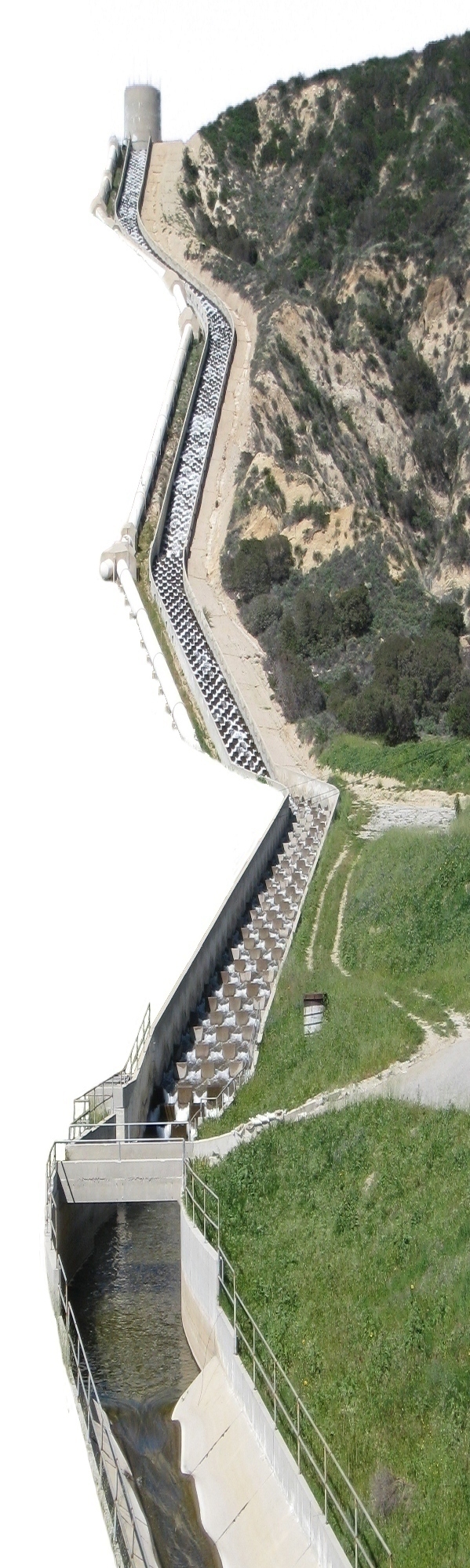
how much water will i save? the typical los angeles household uses 250 gallons of water per day. a greywater system can reuse up to 50% of this water for irrigation, saving 40,000 gallons of water each year. at today's ladwp rates (including "sewer service charge") this translates to savings of around $300 per year. how much does it cost? our greywater irrigation systems are custom designed for each house, taking into account the owner's water use and irrigation needs, the topography of the site, soil conditions, future maintenance concerns, etc. we strive to make each system as simple and reliable as possible, generally recommending simple gravity systems in lieu of elaborate pumped and filtered systems. costs are generally in the neighborhood of $800 to $2500, depending on the details of the installation. are rebates or tax incentives available? not in los angeles, however the ladwp has rebate programs for several related items such as drought-tolerant landscaping ($1/sf), high efficiency washing machines ($300 rebate) and high efficiency toilets ($100 rebate). see http://ladwp.com for more info. can you install systems for tenants? yes; a "laundry drum" system is ideal for rentals - low cost, low maintenance and minimally disruptive to the building. can you install rainwater storage systems? yes we can although rainwater storage is not the best option for los angeles. although l.a. receives around 15 inches of rainfall per year it is concentrated in the winter months; for maximum efficiency huge storage cisterns have to be installed to hold this water through the year. that said, there are many innovative systems available, from 10,000 gallon rainwater-filled pillows in the crawl-space to architectural ferrocement cisterns and ornametal lakes. will it work on a flat lot? yes; laundry systems can almost always be configured to work on a flat lot. we also design filterless pumped systems that can work in any topography. is greywater safe? absolutely. there is not a single documented case of an illness in the developed world caused through graywater. basic sanitary measures should be met: don't discharge greywater above ground where childeren or pets could access it, avoid watering the edible portion of food crops, and don't store it for more than 24 hours. is greywater legal? on august 4 2009 the california building standards commission passed state bill 1258, allowing simple residential greywater systems to be legally installed. laundry diverters and single-fixture systems do not even require a building permit; simple systems under 250 gallons per day can be installed but require a building permit. do i have to use special soap? yes, you will have to pay attention to what you put down the drain. all our systems keep the original plumbing intact, with a diverter valve to direct flow to either the sewer or the landscape - so if you run a load of laundry with bleach you can send it to the sewer instead of to the garden. when using greywater everything that goes down the drain should be reevaluated with the understanding that it will end up in your soil. in general you should look for natural, biodegradable laundry detergent and personal soaps; there are hundreds of new greywater-friendly products now on the market. is there a lot of maintenance involved? we try to make our systems as maintenance- free as possible, with the understanding that anything involving regular hassles for the owner will ultimately be abandoned. branched- drain and laundry-to-landscape systems have no filters to change, chlorine tablets to buy, wiring or additional pumps to worry about. like any waste plumbing you will need to clear occasional clogs, and systems will need periodic flushing. also, mulch shields in the yard will need annual clearing to avoid root intrusion into the greywater pipes. where does my water come from? los angeles tap water comes from the following sources: 35% is from the los angeles aqueduct, which delivers water 419 miles from the sierra nevada mountains. 53% comes from the los angeles metropolitan water district, which draws water from both the sacramento river delta (around 400 miles via the california aqueduct) and the colorado river (242 miles via the colorado river aqueduct). 11% comes from local groundwater. 1% is recycled for irrigation, recreation, and industrial use. from there it receives preliminary screening, primary and secondary filtration, then tertiary filtration in sand beds or anthracite coal and chlorine disinfection; then advanced treatment through microfiltration or reverse osmosis and additional disinfection using ultraviolet light or peroxide. |